
Down on the third year of pandemic, people are quite having a paranoia due to the new COVID-19 variant — Omicron. This was first reported to World Health Organization (WHO) from South Africa on November 24, 2021.
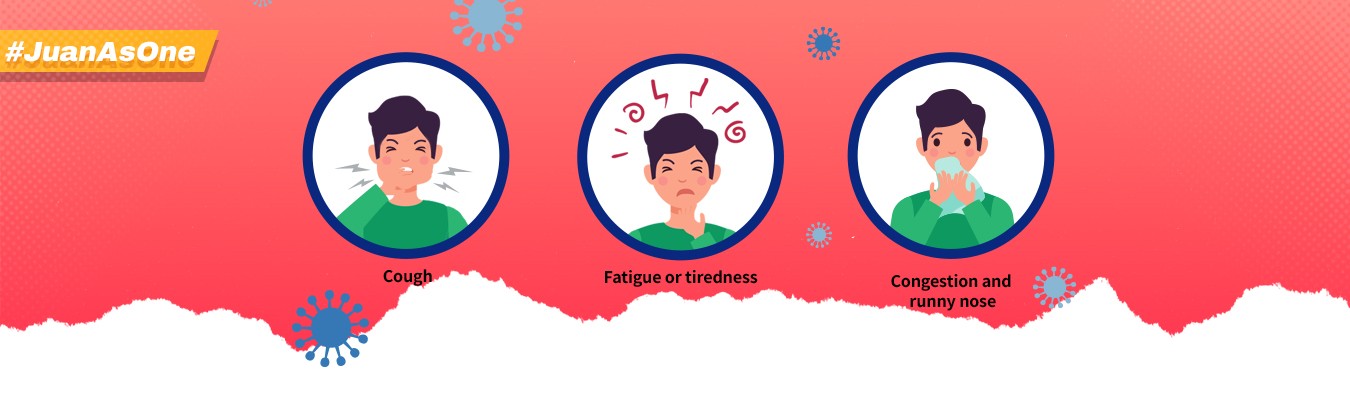
According to Advisory Committee on Immunization Practices, these are the primary symptoms of the variant:
- Cough
- Fatigue or tiredness
- Congestion and runny nose
Unlike with the previous variants, lack of smell and taste is uncommon here. Department of Health (DOH) says that, Omicron cases have been documented to be mild, especially among those vaccinated and boosted. However, people who experience mild symptoms can easily transmit the virus when minimum public health standards (MPHS) are not diligently followed. Here are some reminders from DOH:
- If you are exposed, get yourself tested with the right test at the right time. Antigen tests help you determine the need to isolate but it has its limitations. It is most accurate when used by anyone experiencing symptoms.
- While waiting for the results or when confirmed positive, Once confirmed, isolate for full 10 days from symptom onset (if with symptoms) or from time test was taken (if asymptomatic)
- If you have been exposed to a suspect or confirmed COVID-19 case, don’t take this lightly. Automatically quarantine for 7 days, if vaccinated; for 14 days; if not vaccinated.
- Mind your mental health while isolated or in quarantine.
- If you have mild symptoms, use DOH- provided checklists to care for yourself at home. Get professional advice from telemedicine hotlines or primary care facilities especially when you are fully vaccinated and boosted already. This shall help in keeping hospital beds open for severe and critical; cased of COVID-19 cases, children who are not yet vaccinated as well as other patients who are suffering from non-COVID-19 cases.
Stay safe and observe all the health protocols to avoid being tested positive in the virus.
Sources: Department of Health, World Health Organization and NBC news.
Related Reads
What's New
More Articles