Oh no, our white sand dreams for Manila Bay can pose threats to human health.
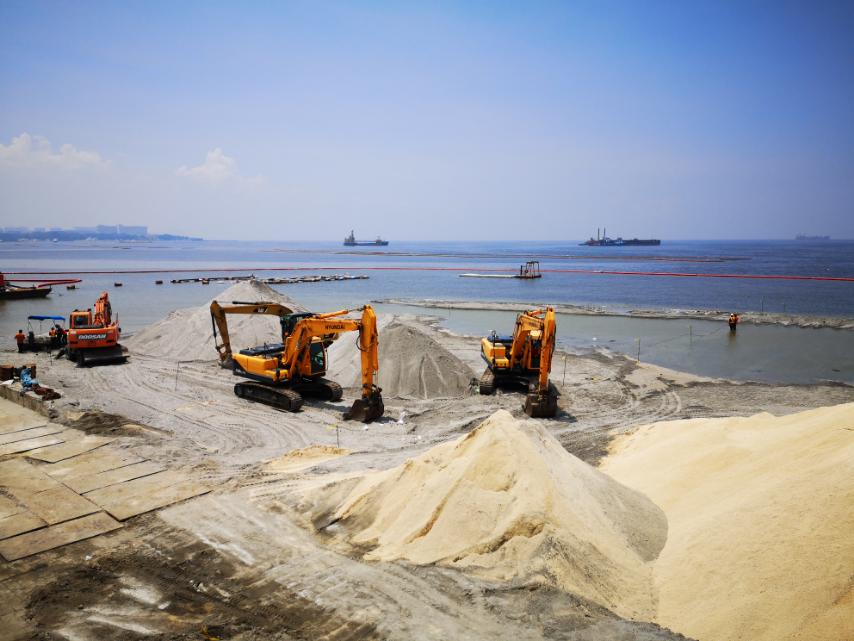
After the announcement of DENR of putting white sand along Manila Bay last week, DENR Undersecretary Benny Antiporda has recently claimed that they are not really putting pure white sand in the area, but rather crushed ‘dolomite boulders’ from Cebu.
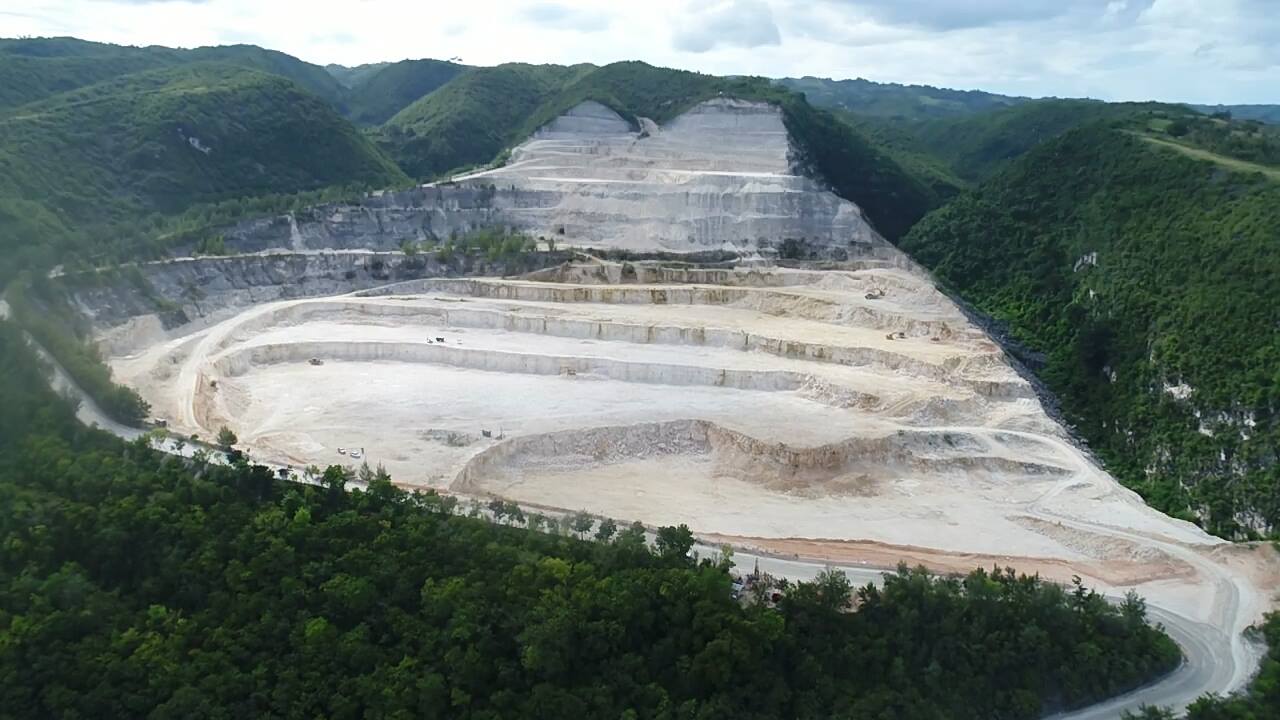
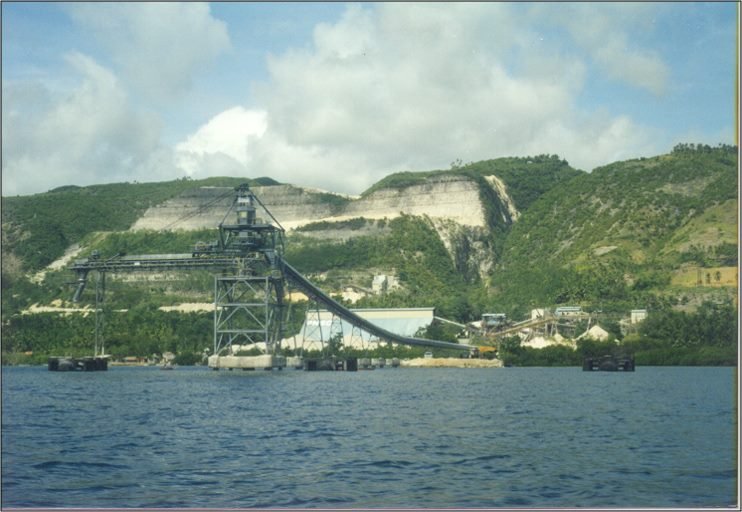
According to reports, the Mining and Geosciences Bureau in the Central Visayas confirms that the mineral used to make the controversial synthetic sand was from Alcoy town, in Cebu province
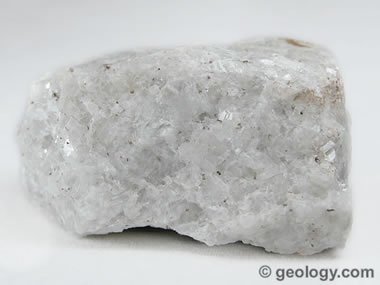
What is Dolomite?
According to geology.com, dolomite is a common rock-forming mineral. It is the primary component of the sedimentary rock known as dolostone and the metamorphic rock known as dolomitic marble.
In the construction industry, dolostones are commonly used as a road base material, an aggregate in concrete and asphalt, railroad ballast, rip-rap, or fill, also it is used as an ingredient in the production of glass, bricks, and ceramics.
Health Hazards
“Ito pong dolomite, base po sa pag-aaral, kapag na-inhale natin ito, may mga adverse reaction [sa] respiratory system, mainly,” Vergeire said in an online briefing.
Vergeire’s statement was referring to the initiative of the Department of Environment and Natural Resources (DENR) to ‘beautify’ the Manila Bay shoreline with white sand using crushed dolomite rocks from Cebu province as part of a P389-million beach nourishment project.
She added that based on studies and medical literature, Dolomite material can cause eye irritation, and when ingested, one could possibly have gastrointestinal discomfort, stomach ache, and diarrhea as minor effects.
Here are some reports and academic studies about the danger of dolomite to health:
Lehigh Hanson, Inc., a Texas-based supplier of cement, ready-mixed concrete, asphalt, and other building materials has issued a safety data sheet for dolomite in 2012.
The document says that dolomite (a.k.a. crushed stone, calcium magnesium carbonate, and other aggregates) has the following hazard statements: "may cause cancer," "may cause damage to organs (lung) through prolonged or repeated exposure," "causes skin irritation," and "causes serious eye irritation."
As a piece of supplementary information on the safety data sheet, it also pointed out that Respirable Crystalline Silica (RCS) may cause cancer, as it says that Dolomite is naturally occurring.
(Safety data sheet link: https://www.lehighhanson.com/docs/default-source/safety-data-sheets/sds-dolomite.pdf?sfvrsn=66124d22_4)
In a 2012 study published on the Iranian Red Crescent Medical Journal and available online via the U.S. National Library of Medicine, it was concluded that "exposure to high atmospheric concentrations of [dolomite] is likely to be associated with respiratory symptoms."
(Safety data sheet link: https://www.ncbi.nlm.nih.gov/pmc/articles/PMC3482327)
Blue Mountain Minerals, another U.S. based contractor, a supplier of limestone and dolomite for agricultural and industrial applications, identified similar hazards for the material as last updated in 2015.
On section 2, hazard identification of the safety data sheet explained its "Globally Harmonized System Classification" for dolomite as: "irritating to the eyes (Category 2B, Mild Irritant), respiratory sensitizer, and skin (Category 3, Mild Skin Irritation)." In other words, "it can cause skin, respiratory, and eye irritation."
On section 11, the toxicological information indicates the target organs for possible health effects including "eyes, skin, and respiratory system".
(Safety data sheet link: http://www.agramarketing.com/public/uploads/pdfs/MSDS_-_Dolomite_Limestone.pdf)
Lhoist North America, which operates in the U.S. and Canada, also disclosed in its website that dolomite contact “can cause irritation to eyes, skin, respiratory system, and gastrointestinal tract,” it also added that “long-term exposure may cause permanent damage.”
(Safety data sheet link: https://www.lhoist.com/sites/lhoist/files/lna_sds_dolomite_2018.pdf)
There are a lot of speculations about its health hazards and threats, but, even if there’s a little amount of danger, we all should take it from the experts.
After knowing the truth, are you still up for Manila bay’s beautification?
Related Reads
What's New
More Articles