

Food really brings people together—and this is evident for Filipinos. We always celebrate everything with a lot of food on the table as a vital part of our culture and beliefs.
Filipino cuisines are among the distinct yet versatile food menus in the world. It may not be as grandest as other dishes on the planet, but the joy and excitement every time it served on our tables are truly indescribable—well, nothing beats home.
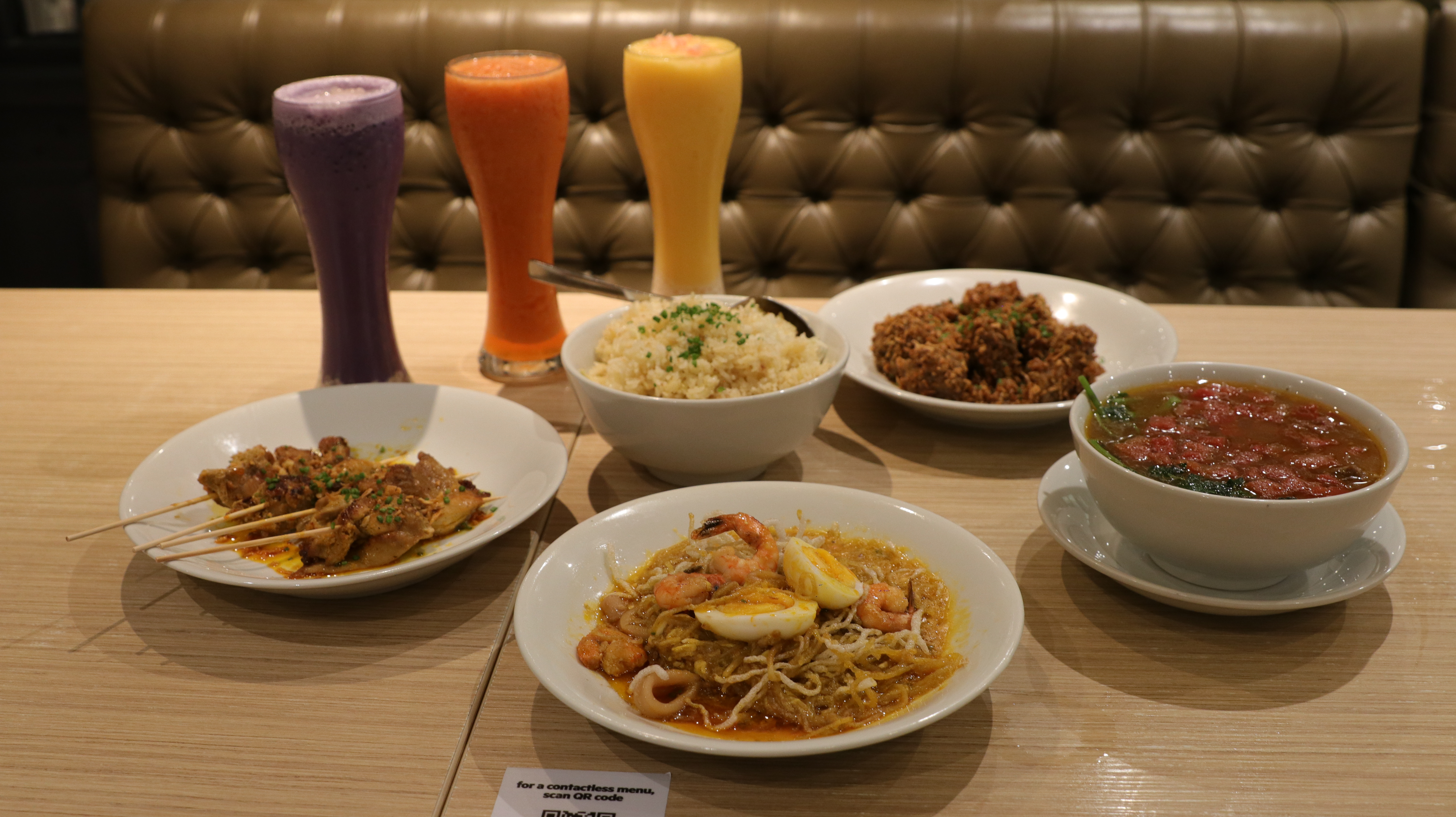
As food junkies, we are always on-the-go for a gastronomical adventure to taste, try, and experience new dishes and go-to-places where culture meets food and vice versa.
In line with the celebration of World Food Day, the Lookout visited Manam, home of the best Filipino food in classics and twists opened in 2013, and tried some of their palate-pleaser list of dishes on their so-called ‘GCQ menu’ which is divided into ‘Classics and Twists’, with both traditional homestyle cooking and modern versions of our all-time favorite Pinoy dishes. Here’s the list:
SINIGANG
Probably, Sinigang is Filipinos’ unofficial national dish. This is a staple in our tables and we don’t need any special occasion to cook it with usual pork, fish, and beef with its ‘asim-kilig’ agent, (tamarind-based) vegetables like okra, water spinach (kang kong), daikon (labanos), onions, and eggplant.
Food historians said that Sinigang is mostly practiced within the region of Tagalogs--basically, it’s everywhere in the country varying from pinoy cooking style--with no significant records distinctly identifying the basic information as tracing back the history of this rich variation of Pinoy comfort food. It has existed way before the colonization of Spaniards and could be tagged as ‘indigenous’.
Over the years, this traditional Filipino cuisine has evolved from its usual recipe and adapted new techniques, and used new flavor combinations to reinvent old methods—modern twists and styles in pursuit of creativity.
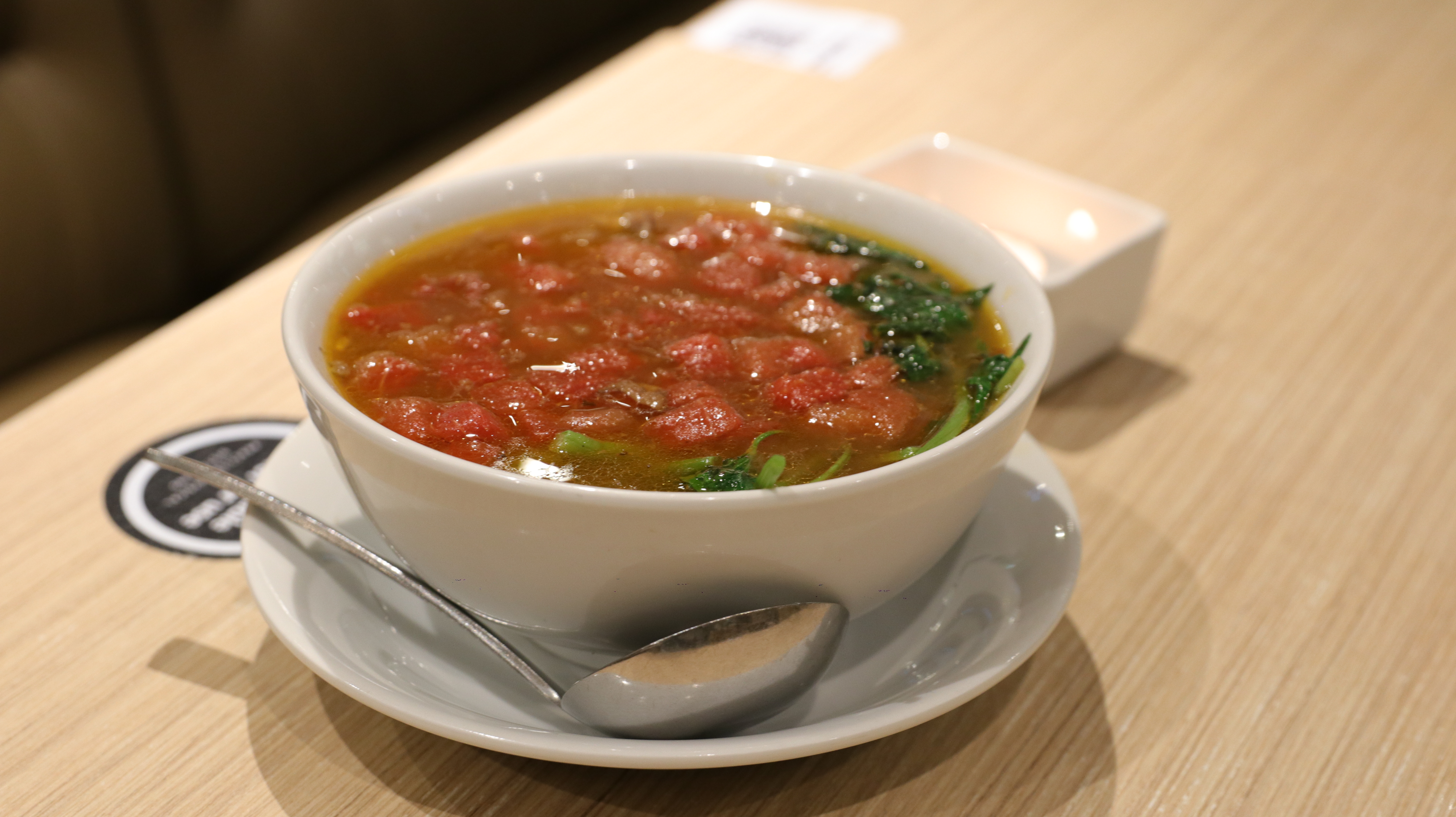
Manam’s top-tier Beefy Watermelon Sinigang is a must-try. It’s one of the restaurants in the Metro which braved turning classics into modern ones.
What’s particularly unique about this Sinigang is its almost viscous, thick reddish broth, which flaunts a balanced sourness tempered by refreshingly sweet watermelon juice and meat.
As a fan of classic Sinigang, the thought of having watermelon in it is skeptical and unimaginable at first, however, the combination is just perfect wherein the fruit provided a refreshing burst of sweetness to this new version as a twist. Also, what made me surprise is you can still taste the sour flavor from this restaurant’s best seller.
This heirloom recipe from the grandmother of Eli Antonino, one of Manam’s co-owners, is a certified hit since the restaurant was established.
ADOBO
Well, if there’s one strong contender of Sinigang for the country’s national dish, it should be Adobo. It’s a ‘Tatak Pinoy’ food which is considered as part of the identity of every Filipino. The rise of its popularity hits international kitchens with so much praise and love showing off its versatility for fusions, modern twists, and different cooking styles.
We can trace back Adobo’s history way back in the Spanish era where it got its name from the Spanish word "adobar" meaning marinade or pickling sauce. In English, the word adobo translates to braised in vinegar.
Cooking Adobo is practiced in different regions in the Philippines. It is not as hard as any Pinoy dishes, in fact, there are a number of varieties on how to make it which can be spicy, mild, saucy, or dry versions of chicken, pork, beef, squid, water spinach, and many more with its original ingredients such as onions, ginger, lemongrass, chili peppers, and coconut milk.
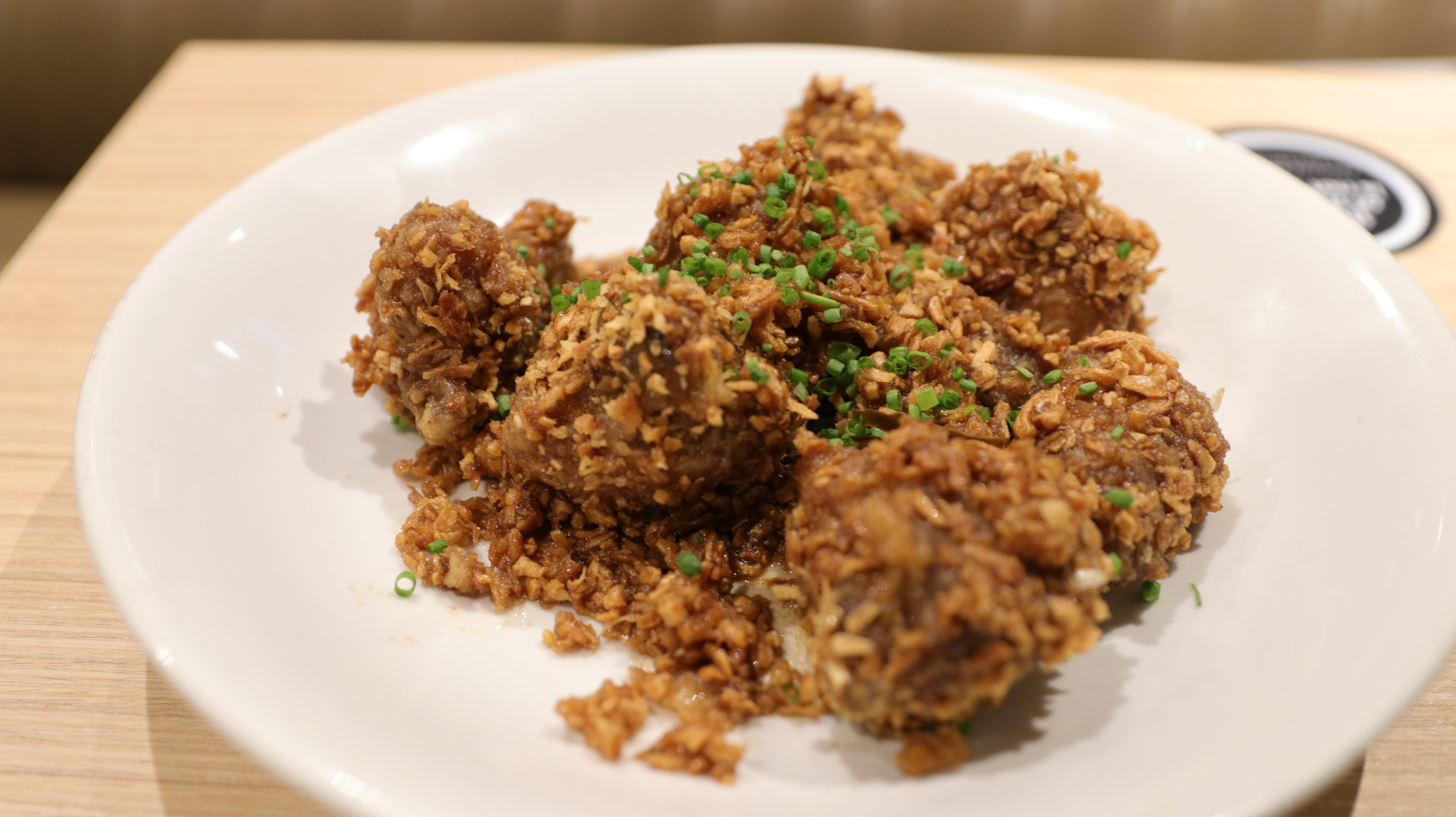
Guess what, Manam’s Overloaded Garlicky Chicken & Pork Belly Adobo didn’t fail our taste buds. From its presentation, you can’t just simply recognized it as Adobo unless you taste its thick and flavorful sauce as the slight twist of this well-loved Pinoy food. The garlic bits breaded on the meat is the best that made this dish a must-try.
This traditional dish is perfect served over white rice which suggests an ideal accompaniment that absorbs the tangy sauce.
CHICKEN INASAL
The word “Inasal” is an Ilonggo term meaning "chargrilled" or "roasted meat", and Filipinos’ love for the dish is undeniable—affordable, easy to cook, and simply delicious.
It’s not a secret that the best and original Chicken Inasal was originated in Bacolod City in July 1993 by the sisters and brother team of Rose, Bing, and JM Tanalgo with just a small take-out and delivery counter which captured Manilans heart up to date—probably, it’s Bacolod’s culinary best.
In preparing chicken Inasal, numerous spices such as lemongrass, garlic, and ginger added to various chicken cuts marinated in a mixture of vinegar are needed for a tasty one. While grilling, the meat is meant to be brushed with the annatto-infused oil which provides the chicken with an appetizing golden color and a unique peppery flavor.
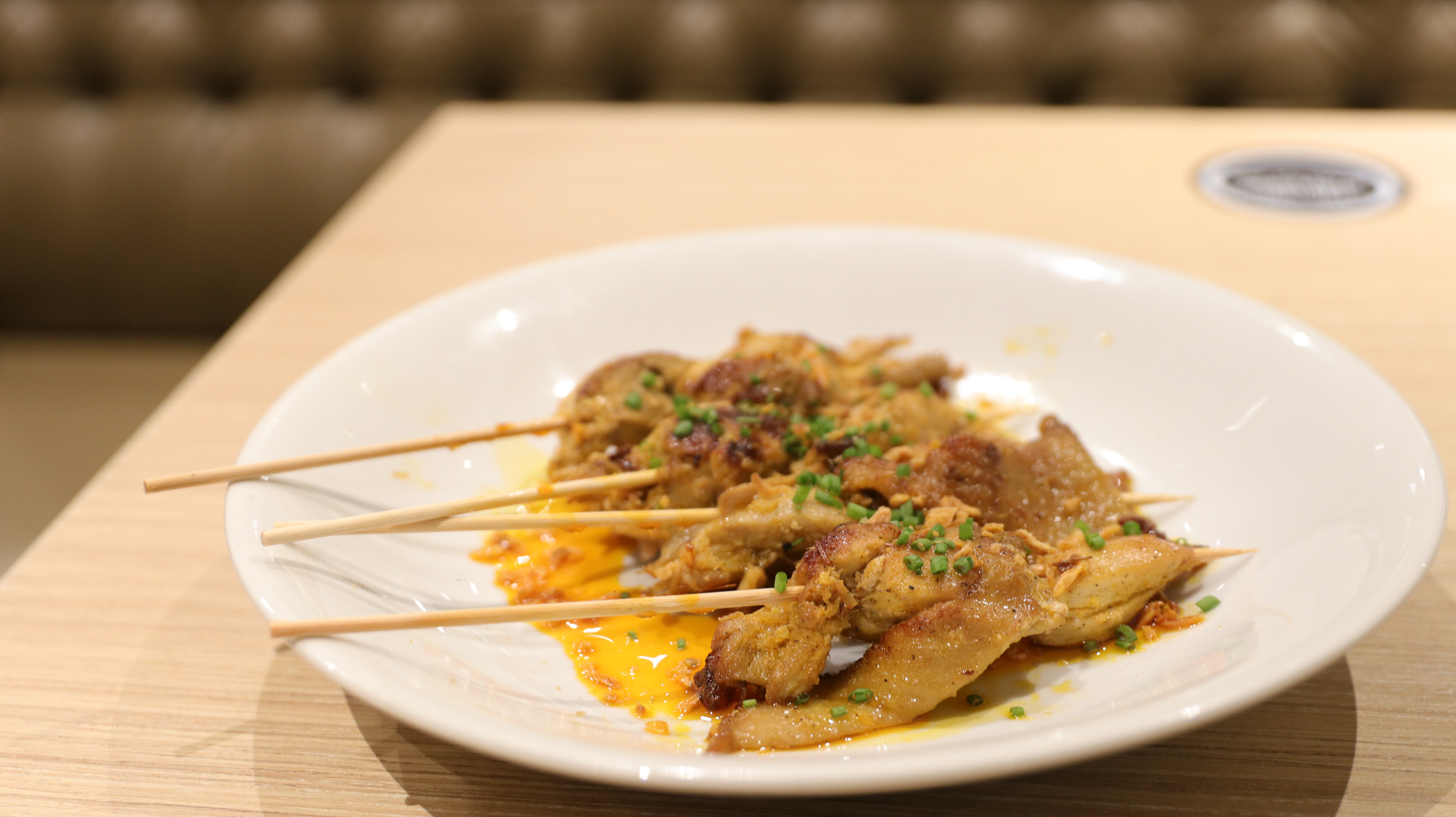
The Chicken Inasal Skewers of Manam has prepared it in a new different style. Perfectly grilled chicken cuts are placed on a stick like in a barbeque way. It’s simply delicious, the taste is good, no grilled marks and burn parts on the cuts, and the way how it served gives us a feeling of home.
PANSIT PALABOK
One of Pinoy’s favorite merienda is Pinoy Palabok--a traditional Filipino dish consisting of thin rice noodles doused in a creamy shrimp-infused sauce and complemented with various toppings such as hard-boiled eggs, pork cracklings, shrimps, pork, fish flaes, and scallions.
“Palabok” is a Filipino word that means “added flavor”. Its origin is not confined to specific people but often attributed to the Filipino who invented it from the influence of the Chinese which is considered to be an authentic Filipino signature dish.
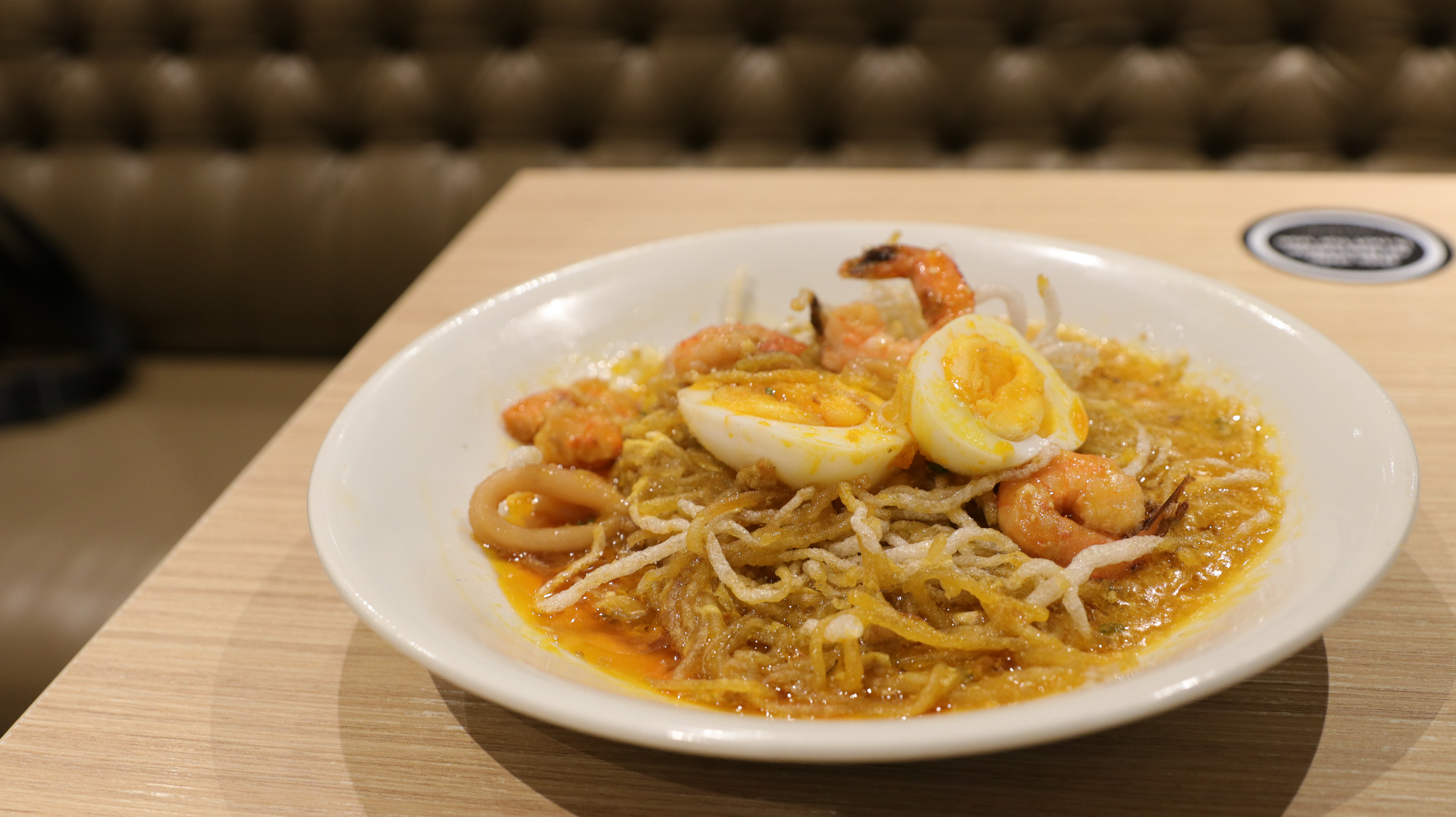
Manam’s Crispy Pansit Palabok has leveled-up this Pinoy comfort food. Aside from its intriguing presentation, a little ‘drama’ was added on how it served to the customers, food safety will pour an orange sauce over a mountain of crispy palabok noodles.
This restaurant turns the classic Pinoy noodle dish into a spectacle. This dish was also served with tender shrimp and hard-boiled egg slices that make you want to squeeze calamansi on top.
Manam’s twist on our classic palabok is a certified crowd hit.
With all these mouth-watering dishes you guys can have paired it with Manam’s tasty coolers and shake such as Ube + Sago, Mango + Pomelo + Sago, and Strawberry + Camias which are perfect to quench your thirst after a wonderful eating experience.
MANAM’S COVID-19 SAFETY PROTOCOLS
Manam has reopened its doors last June 16 ever since the pandemic started, and for those who will visit the store, you need to follow all these strict and safety protocols:
- On the host area, customers need to fill out a health declaration form via QR code or form (for non-techy) provided by the receiving
- Body temperature checks, proper sanitation of hands, and stepping onto a disinfecting mat are strictly implemented.
- A one-seat apart rule is strictly observed inside the restaurant as well as wearing of face masks and face shields.
- Only one Food server is ALLOWED to touch The store encourages a whole contactless service.
- While eating, you can place your face mask in a paper pouch provided by the staff.
The good thing about food is that you can always find a way to make it taste even better. It's really a matter of choosing which ingredients and methods would bring out the best in your dishes.
Happy world food day!
Related Reads
What's New
More Articles