
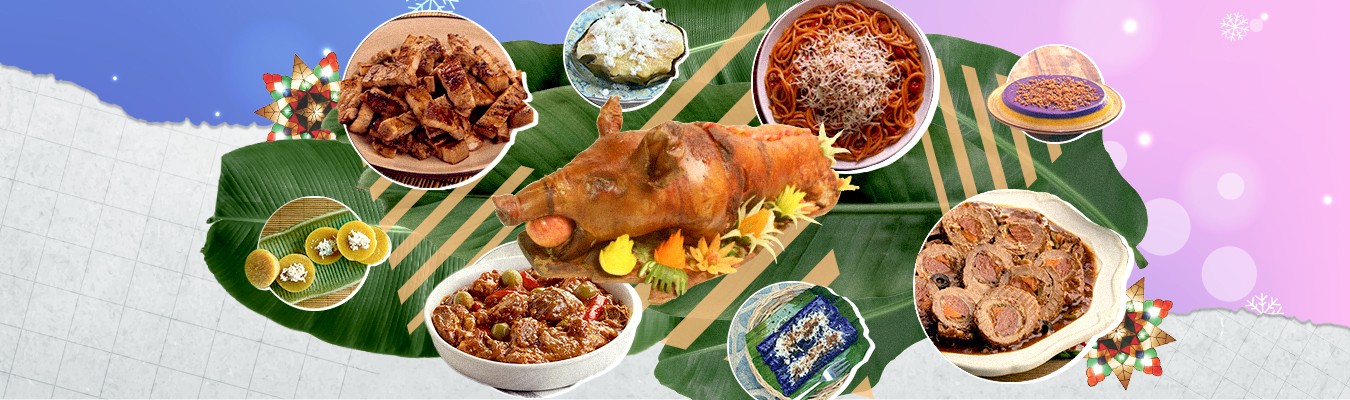
Christmas to Filipinos will never be complete without food on the table—much-anticipated delicacies we mostly serve and see during Yuletide season.
Puto bumbong, bibingka, and sapin-sapin are some of the most popular ‘Christmas food’ in the Philippines, and these tasty treats have become a symbolism to our much-awaited season of the year.
But, are you one of those pinoy foodies who are worried that we might not able to savor these this season? Well, worry no more pal, we all should give thanks to the internet ‘cause we can now make these holiday delicacies and add our own twists and taste!
With the help of some chef and aspiring cooks, we can already satisfy our own Christmas food cravings with their simple recipe vlogs:
PUTO BUMBONG
When Christmas season begins, this pinoy kakanin is among our top list of food cravings. It is usually associated with simbang gabi.
It is a variation of puto, a Pinoy popular rice cake, known for its different colors and taste.
Bumbong, on the other hand, refers to the way the delicacy is cooked: steamed inside a bamboo tube. It is served in threes or fours, slathered with margarine and served with grated coconut and muscovado sugar.
Watch this video of how to make puto bumbong:
BIBINGKA
According to history, in 1899, an unidentified woman by the name “bibinquera ng presidente” was paid to make then Pres. Aguinaldo’s favorite kakanin, bibingka.
This rice cake will be forever a gem in Philippine food history. It will never lose its charm with its fluffy cake base made with galapong (rice flour), eggs, and coconut milk cooked in an aluminum pan over a charcoal stove. It’s topped with salted egg slices, kesong puti, and sometimes eaten with grated coconut meat.
This video tutorial will help you to perfect your own version of bibingka:
SAPIN-SAPIN
This is one of the most colorful rice cakes in the Philippines. A tri-colored layer cake is truly a product of patience and love.
It is made from rice flour wherein each layer is colored-- it is filled with purple, yellow, and white.
It is believed to have originated from the province of Abra. Sapin-sapin takes its name from the Filipino word for blanket.
Here’s a video on how to make sapin-sapin for your Christmas food cravings.
PUTO
In the same account of the history of Bibingka in 1899 to1900s, it is written in a ledger that puto was included on the breakfast menu for soldiers.
It is a kind of rice cake cooked in the process of steaming with many variations of the name depending on its place of origin in the Philippines.
It looks like a mini cupcake and a perfect match for our all-time favorite dinuguan.
If you wanna know how to make a puto, watch this video:
KUTSINTA
This round orange or brown rice cake with freshly grated coconut on top is truly a tatak pinoy Christmas food. This is also a perfect merienda for everyone at anytime of the day.
You can make your own kutsinta with the help of this video:
There you have it peeps, you can now make your own pinoy Christmas food for this year's celebration.
This pandemic halts our movement, but may the feast celebration we all have been looking forward to every year will continue to reminder us that there is hope.
Related Reads
What's New
More Articles