

As the classes switched from face-to-face setup to online platform—almost every student and teacher are struggling—the reason comes from not having the luxury of owning a laptop and stable internet, as well as the lack of support from the government in order to buy anything that learners and educators need.
In an interview of Scout Magazine with Sarah Elago of Kabataan Partylist, it was mentioned that a proper assistance for students during online classes should include providing free internet connection and availability of gadgets with learning materials that can also be accessed offline.
According to UNESCO, over 1.5 billion learners in 165 countries are currently being affected by COVID-19 school closures—with a shift to online learning as an alternative to cope until the pandemic ends.
While online learning may be inevitable despite outcry from students of various schools in the country, learners resorted to online selling and barter in hopes of trading with learning gadgets.
Book collections for a tablet
Allen Luzon, 19 years old, a 2nd year BS Psychology student at the University of Baguio, decided to let go of his beloved book collection so he could raise enough money to buy a tablet which he will use for his online classes. He shared that his parents are struggling to support his studies due to lack of income.

According to Rappler, Luzon’s father lost his job as a sales agent due to the pandemic. To cope, his parents started selling bedsheets, rags, and potholders.
To help his parents and continue his education, Luzon went to social media to sell his favorite books so he could afford a learning gadget. His post quickly went viral. After only 8 days, he was able to sell 45 books and raise enough money to buy an iPad Pro.
Artwork for school necessities
Teachers in Binanuahan Elementary School in Pilar, Sorsogon exhibited creativity as they resorted to creating crafts like painted rocks to barter them and trade into learning materials like papers, and ink which will be used for their learning modules.
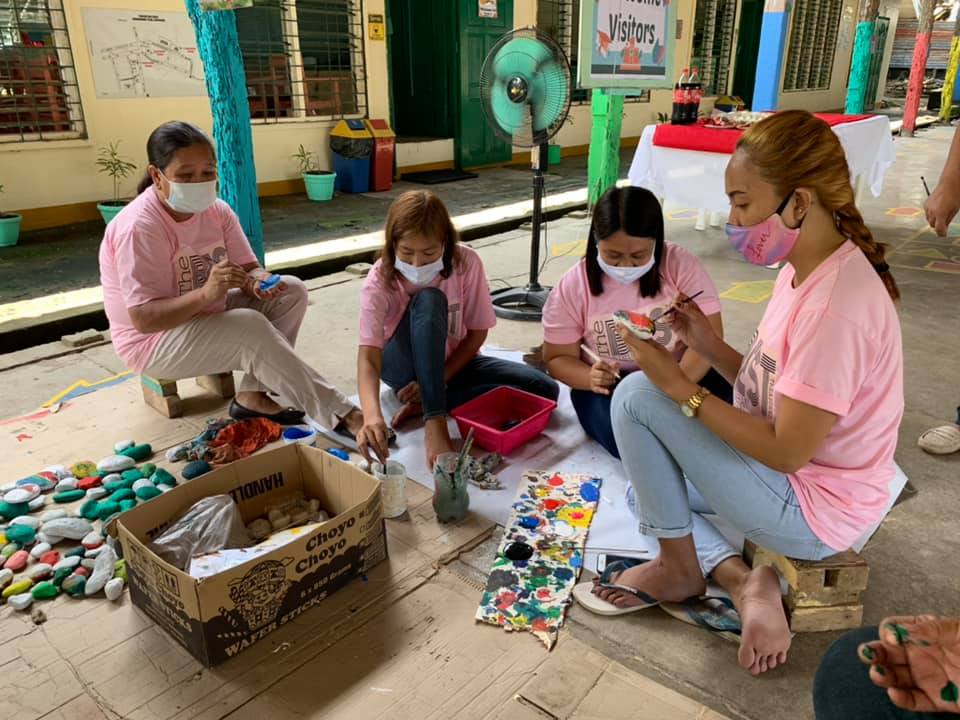
According to Marry Ann Ascaño, School Principal—it is their way to augment the budget of their school during the pandemic.
"Mayroon naman po kami talagang budget para sa modules pero yung ibang mga activity sheets, halimbawa mga kailangan ng ibang bata puwede naming maibigay sa kanila," Ascaño said.
Halaman ko, barter mo
Meanwhile, teachers in Campaasan Elementary School in Bulalacao, Oriental Mindoro came up with a unique way to help out their cash-strapped students who do not have access to their own gadgets or a stable Internet connection—by a barter project that exchanges plants with printing supplies, activity sheets, and health kits for the kids.
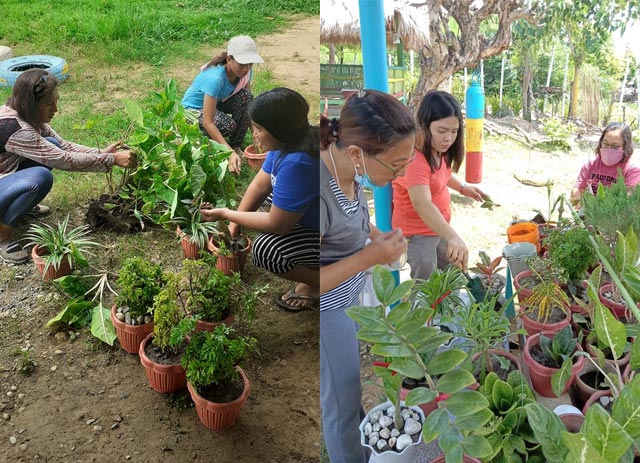
In an interview with Summit Media, Campaasan Elementary School principal, Lucy Ferranco said “We have come up with this barter system instead of soliciting goods and items from the people because we know no one is exempted [from] this pandemic.”
My shoes for a laptop
15-year-old grade 11 student Angel Pinto, from Mary Chiles College in Sampaloc, Manila, is the eldest among 5 children whose younger siblings are still in Grade 1, Grade 2, Grade 5, and Grade 7. She bartered a pair of her shoes in hopes of trading it with a laptop—but she was unsuccessful
In Rappler’s article about Pinto, it was said that she and her 4 younger siblings have been struggling as they are sharing a single cellphone for their classes. Pinto said that having a laptop would greatly ease their problem as some of their online classes happen simultaneously.

After watching the local news about online barter trade, Angel thought of helping her mother by giving it a try.
As of writing, October 8, Angel still needs support to buy her laptop for online schooling.
Home appliances for an android phone
Ailyn Austria is a 39 year old single parent who lost her job as a helper in a school canteen. She also tried bartering online and already offered a flat iron, three towels, and a blanket for an Android phone that her son can use when he enters the eighth grade.
She had been trying to make extra money so she could buy her son even the cheapest cell phone for online classes. Unfortunately, no one was interested in the stuff she tried to trade in the barter group.
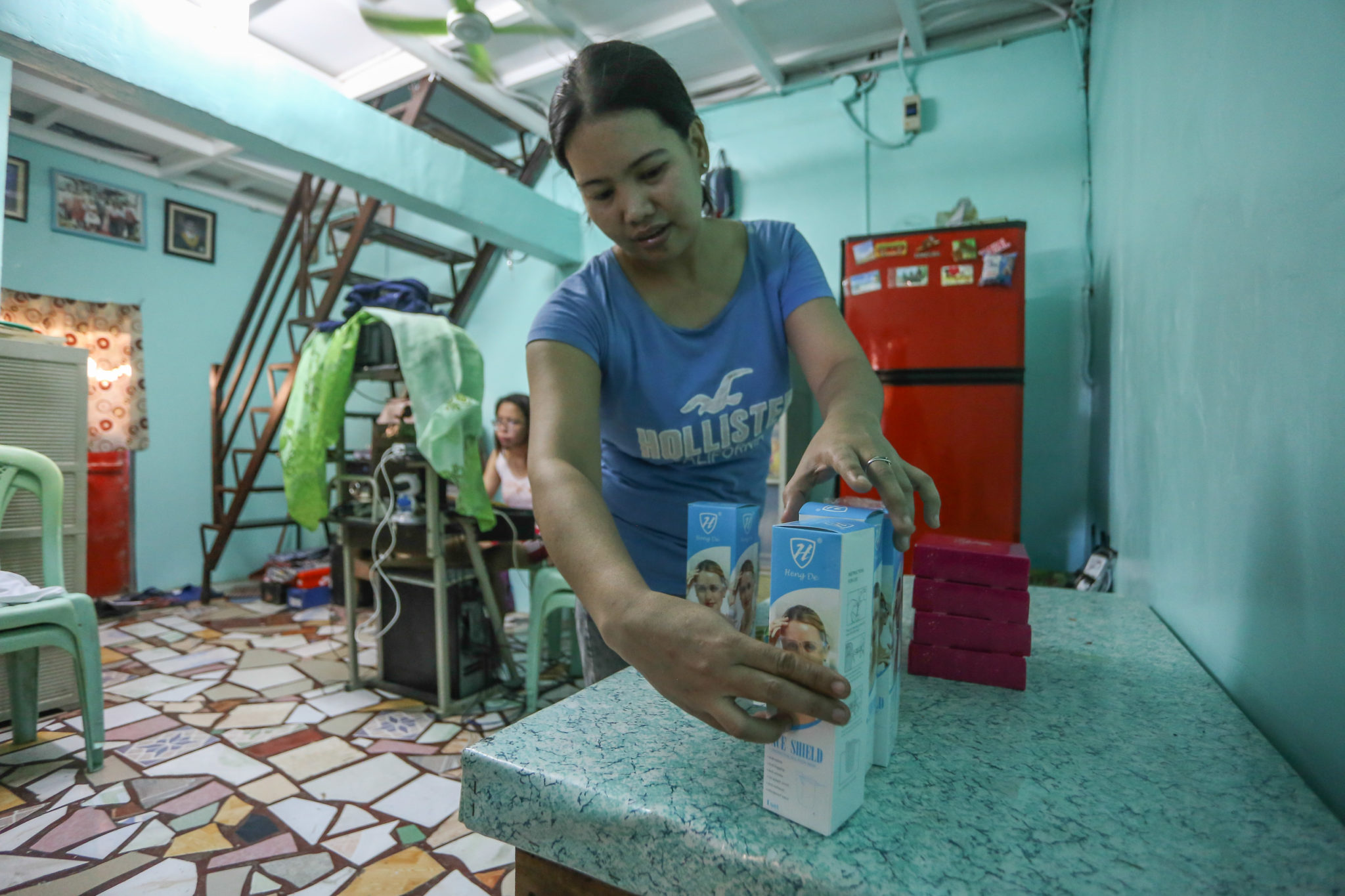
According to Inquirer, Austria chose modular learning for the enrolment of her son. “I picked modular because we do not have the device for online classes. But I’m still trying to get him a gadget because not all lessons are provided in the module. It will aid in his visual learning as well,” she said.
For now, health is the number one priority and being informed about safety is one way to ease the spread of the virus. Although the classes for academic year 2020-2021 have already started, many groups still believe that delaying the school year to 2021 would have been a better decision—to ensure that no student will be left behind.
Related Reads
What's New
More Articles